Martin Scorsese Ruined My Life: A Look at After Hours 40 Years Later
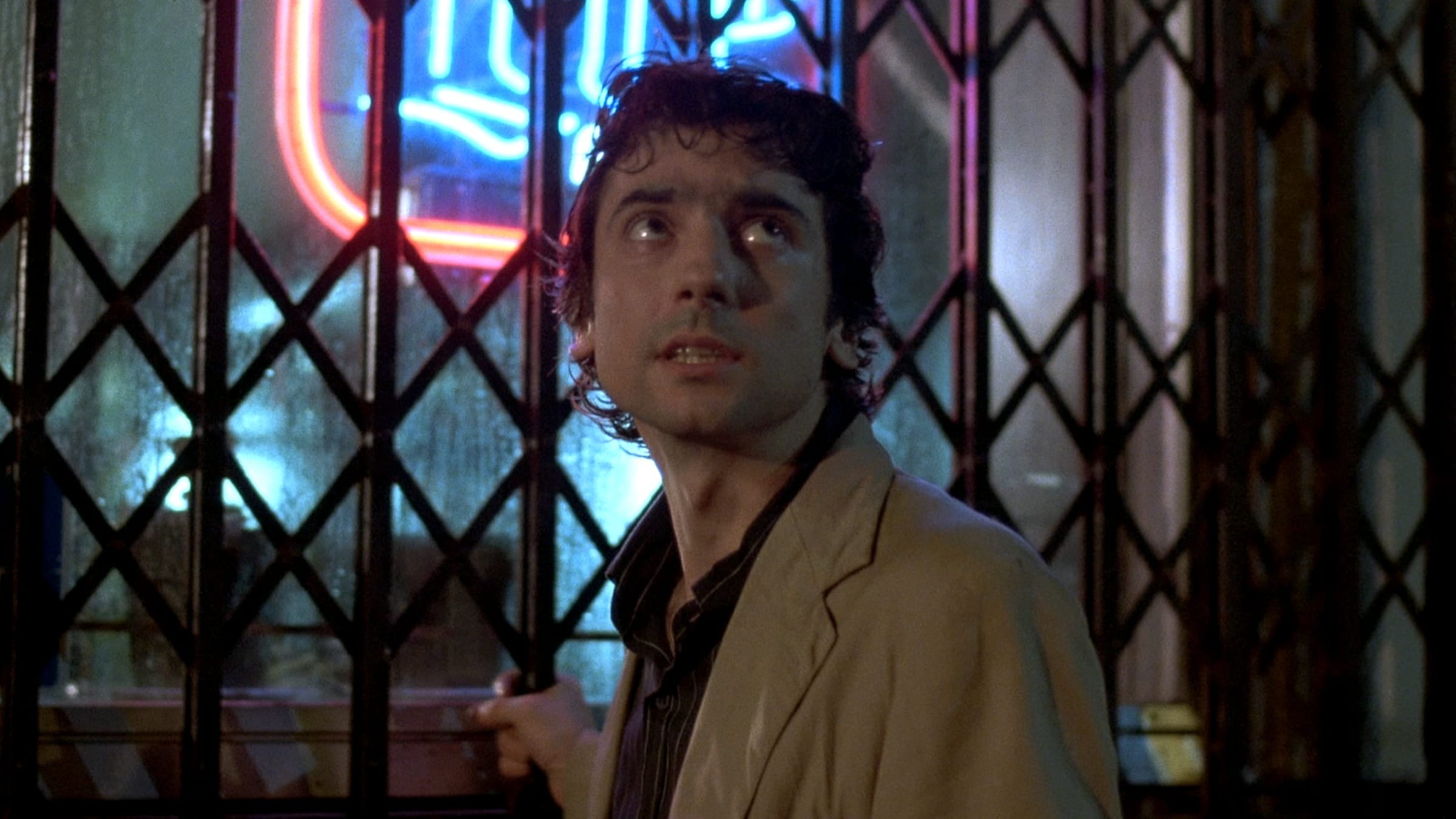
I love the reaction I get from others when I tell them After Hours is my favorite movie. I joke around that my favorite genre of film is “man having a really terrible time”. We see this in modern day classics like Marty Supreme (2025), Good Time (2017) and Uncut Gems (2019), all movies that are so clearly and deeply inspired by After Hours (1985). So what makes After Hours so special? A myriad of different things. The cinematography? The acting? The suspenseful music? Cheech and Chong? Plaster-of-Paris bagel paperweights? The pure absurdity. That is what makes After Hours so great.
The film follows Paul Hacket, an average 80’s New York City word processor who meets Marcy at a cafe in SoHo who then leaves her roommate Kiki’s phone number on a piece of paper. Why does she leave her friend's number? Kiki is an artist who makes plaster-of-Paris bagel and cream cheese paper weights, of course. Every man's dream. Intrigued, Paul ends up at Marcy and Kiki’s apartment, and things feel off. Having lost his last twemty dollars on the cab ride there, this whole problem could be solved with a credit card, his evening takes a turn for the worse. All he wants to do against all odds is get home, which is deemed an impossible task. We meet a cast of some pretty eccentric characters throughout Paul's, almost, comedic and nightmarish attempt to get home. He crosses paths with Julie, a bartender who for a moment, becomes sympathetic for Hacket’s despair, a mysterious man who believes Paul is responsible for a string of burglaries, an angry bar manager, and a grieving woman who mistakes him for someone involved in her own personal tragedy. Each interaction escalates the sense that Paul is being misread, or pulled into situations that are not his own and as the night goes on, the film becomes more and more claustrophobic, in typical Scorsese style. Paul’s attempts to explain himself only make things worse. He is chased, threatened, and even mistaken for a burglar or vandal depending on the situation. The film uses repetition and coincidence to create a feeling that the city is “closing in” on him and each escape leads directly into another problem. The streets of SoHo begin to feel like a maze, rather than an open setting. The one time he gets a glimmer of hope of escaping from all of this, he is turned down at a bar because he doesn’t have a mohawk.
The genius of Scorsese really shines in this one. I won’t spoil the end for you, I believe everyone should experience After Hours in all its glory beginning to end on their own time. I truly just wanted to write this to say, Martin Scorsese ruined my life. I will forever be searching for a film that makes me feel the pure joy that this one made me feel the first time I watched it.